

In modern industrial facilities, efficient cable management is essential for maintaining safety, reliability, and operational efficiency. Whether in power plants, manufacturing facilities, oil and gas projects, data centers, or commercial buildings, cable ladder systems have become one of the most widely used solutions for supporting and organizing large volumes of electrical cables.
This article explores the key advantages of cable ladder systems and why they are often preferred over other cable support solutions.
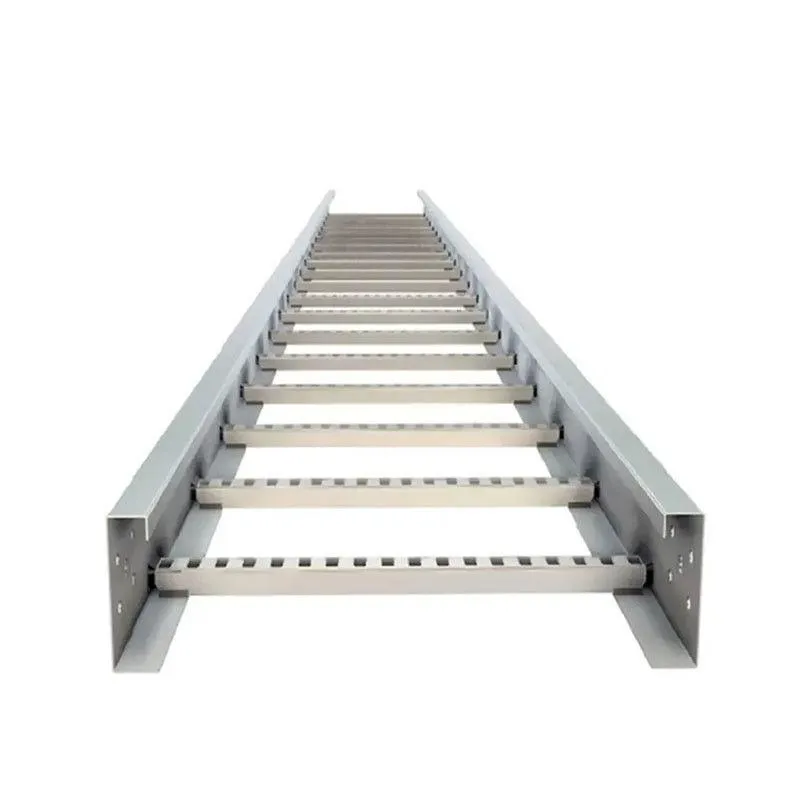
What Is a Cable Ladder?
A cable ladder is an open-structured cable support system consisting of two side rails connected by transverse rungs. Unlike solid-bottom cable trays, ladder cable trays provide maximum ventilation and easy cable access, making them ideal for heavy-duty power cable installations.
Cable ladders are available in various materials, including:
· Hot-dip galvanized steel
· Pre-galvanized steel
· Stainless steel
· Aluminum alloy
The choice of material depends on the installation environment, load requirements, and corrosion resistance needs.
Superior Ventilation and Heat Dissipation
One of the biggest advantages of cable ladder systems is their excellent airflow.
Power cables generate heat during operation. Excessive heat accumulation can reduce cable performance and shorten service life. The open design of a cable ladder allows natural air circulation around the cables, helping dissipate heat more effectively than enclosed cable trays.
This feature is particularly beneficial for:
· High-voltage power cables
· Large industrial installations
· Data centers with high cable density
· Renewable energy projects
Improved ventilation contributes to better cable performance and enhanced system reliability.
High Load-Bearing Capacity
Cable ladders are specifically designed for supporting heavy cable loads over long spans.
Compared with wire mesh trays or light-duty cable trays, ladder cable trays offer greater structural strength. This makes them suitable for applications where multiple large-diameter power cables need to be routed together.
Industries that commonly use cable ladders include:
· Power generation plants
· Petrochemical facilities
· Mining operations
· Transportation infrastructure
· Manufacturing plants
The robust design helps reduce support spacing requirements and minimizes installation costs.
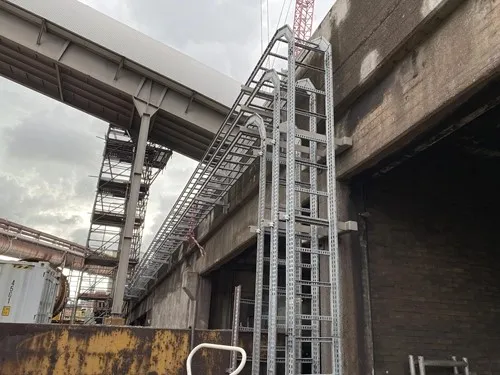
Easy Installation and Maintenance
Cable ladders simplify cable installation and future maintenance.
The open rung structure allows technicians to easily lay, secure, inspect, and replace cables without removing tray covers or dismantling sections of the support system. This accessibility significantly reduces maintenance time and labor costs throughout the life of the project.
In addition, cable ladders can be easily integrated with accessories such as:
· Horizontal bends
· Vertical bends
· Tees
· Crosses
· Reducers
These fittings provide flexibility when designing complex cable routing systems.
Corrosion Resistance for Harsh Environments
Many industrial environments expose cable support systems to moisture, chemicals, salt spray, and extreme temperatures.
To address these challenges, manufacturers offer cable ladders with various protective finishes. Hot-dip galvanized cable ladders provide excellent corrosion resistance for outdoor applications, while stainless steel cable ladders are ideal for highly corrosive environments such as offshore platforms and chemical plants.
Aluminum cable ladders are also popular due to their lightweight construction and natural corrosion resistance.
Cost-Effective Long-Term Solution
Although the initial investment may vary depending on material selection, cable ladder systems often provide lower lifecycle costs.
Their durability, ease of maintenance, and ability to support future cable expansion make them a cost-effective choice for large-scale projects. Companies can reduce downtime, improve safety, and extend cable service life, resulting in long-term operational savings.
Conclusion
Cable ladder systems remain one of the most reliable and efficient cable management solutions available today. Their superior ventilation, high load capacity, ease of installation, and long service life make them the preferred choice for industrial and commercial electrical infrastructure projects.
When selecting a cable support system, engineers and project managers should carefully evaluate load requirements, environmental conditions, and future expansion needs. A properly designed cable ladder system can significantly improve cable organization, safety, and overall project performance for years to come.