

In the world of electrical installations and cable management, the choice of materials can significantly impact both the efficiency and longevity of a system. One solution that has gained popularity in recent years is the aluminum perforated cable tray. This innovative product offers numerous advantages over traditional cable management systems, making it an ideal choice for a wide range of applications. In this article, we will explore the benefits of aluminum perforated cable trays and why they should be considered for your next project.

What is an Aluminum Perforated Cable Tray?
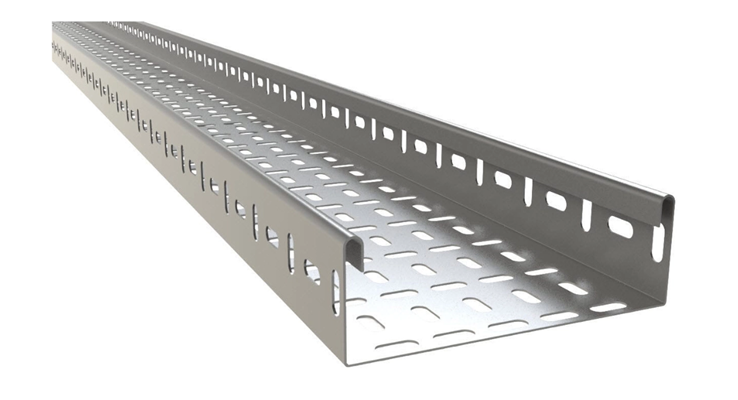
An aluminum perforated cable tray is a type of cable management system designed to support insulated electric cables used for power distribution and communication. The tray is made from aluminum, a lightweight yet strong material, and features a series of perforations or holes. These perforations serve multiple purposes, including reducing the overall weight of the tray, improving airflow, and allowing for easy cable entry and exit.
Advantages of Using Aluminum Perforated Cable Trays
1. Corrosion Resistance: One of the most significant benefits of aluminum is its natural resistance to corrosion. Unlike steel, which can rust over time, aluminum forms a protective oxide layer when exposed to the elements. This makes aluminum perforated cable trays an excellent choice for both indoor and outdoor applications, as they can withstand harsh environmental conditions without deteriorating.
2. Lightweight Yet Strong: Aluminum is known for its lightweight properties, making it easier to handle and install than heavier materials such as steel. Despite its lightness, aluminum maintains impressive strength and durability, ensuring that the cable tray can support heavy cable loads without bending or breaking.
3. Enhanced Airflow: The perforations in the tray are not just for aesthetics; they play a crucial role in enhancing airflow around the cables. Improved ventilation helps dissipate heat generated by the cables, reducing the risk of overheating and potential damage. This feature is especially important in high-density cable installations where heat build-up can be a concern.
4. Flexibility and Customization: Aluminum perforated cable trays are available in various sizes and configurations, allowing for customization to meet specific project requirements. They can be easily cut, drilled, and shaped on-site, offering flexibility in design and installation.
5. Cost-Effectiveness: While aluminum may have a higher initial cost than some other materials, its long-term benefits, such as reduced maintenance and longer lifespan, make it a cost-effective solution. The ease of installation also reduces labor costs, contributing to overall savings.
Applications of Aluminum Perforated Cable Trays
Aluminum perforated cable trays are suitable for a wide range of applications across different industries. They are commonly used in commercial buildings, industrial plants, data centers, and telecommunications facilities. Their ability to support large quantities of cables while maintaining organization makes them ideal for complex electrical systems.
Conclusion
When it comes to efficient and reliable cable management, aluminum perforated cable trays offer a host of benefits that make them a superior choice. Their corrosion resistance, lightweight strength, enhanced airflow, and flexibility make them suitable for diverse applications. By opting for aluminum perforated cable trays, businesses can ensure a durable, cost-effective, and efficient cable management solution. Whether you are planning a new installation or upgrading an existing system, consider the advantages of aluminum perforated cable trays for your project.